

Why Sustainable Furniture Matters
“Sustainability” has become a familiar buzzword in recent years, and it’s understandable that the term can feel overused. Too often, it’s applied to products that appear eco-conscious on the surface but fall short in materials, craftsmanship, or longevity. True sustainability goes beyond labels and trends—it’s about how something is made, how long it lasts, and what happens to it over time.
In interiors, sustainability matters in a very real way. Furniture isn’t seasonal—it’s meant to be lived with for decades. At Tammara Stroud Design, we prioritize sustainable furniture because it supports thoughtful consumption: pieces that are well-made, built to endure, and designed to stay out of landfills. We believe in furniture that can be repaired, reupholstered, and loved for years—quality that never feels disposable.
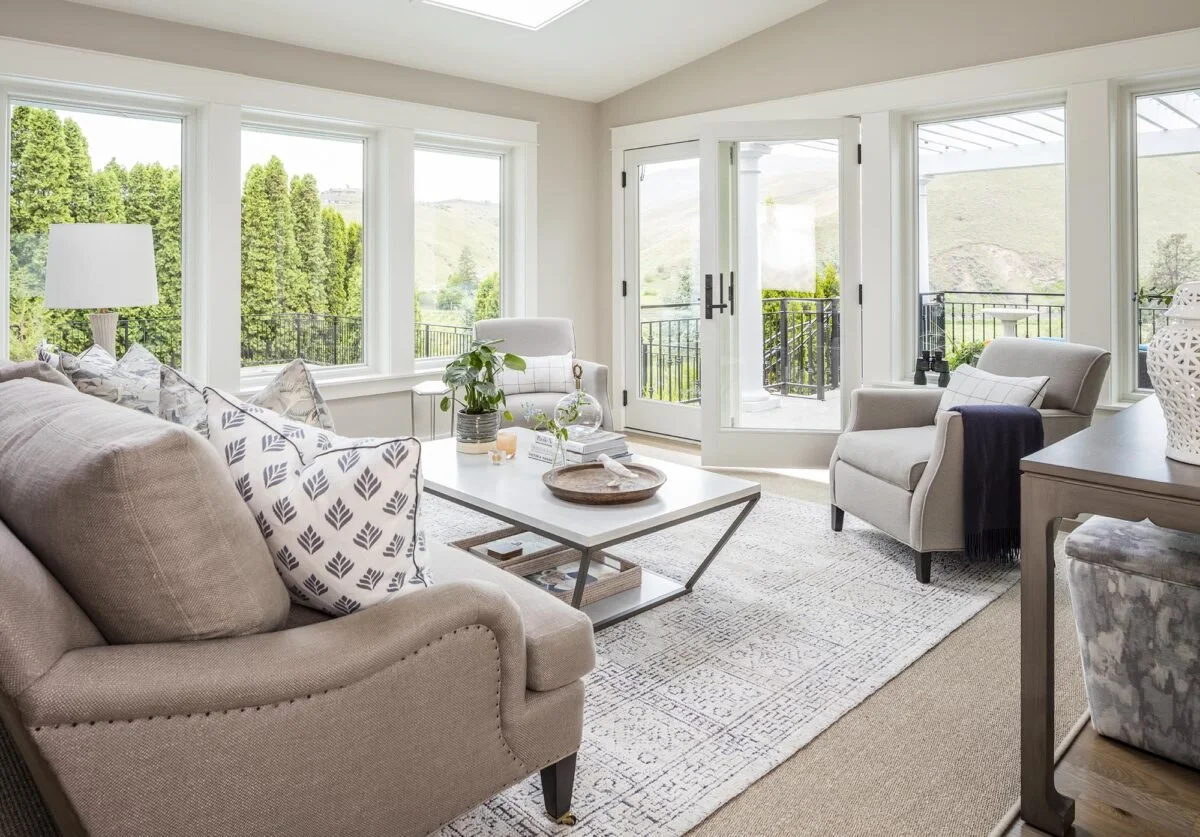
Tammara Stroud Design’s Wenatchee Residence featuring sustainable furnishings by Lee Industries
What Does “Sustainable Furniture” Actually Mean?
Sustainable furniture isn’t defined by a single label or certification—it’s the result of thoughtful decisions made at every stage of a piece’s life. A few core principles can help clarify what truly matters:
Responsible sourcing — thoughtfully selected woods, fabrics, and finishes
Ethical manufacturing — fair labor practices + transparency in where/how pieces are made
Longevity and quality — furniture designed to last for decades, not a few seasons
Environmental impact — consideration of emissions, waste, finishes, and transportation
Materials That Matter: What to Look For
One of the easiest ways to evaluate whether a piece is truly sustainable is to look closely at what it’s made of. Materials and construction choices directly affect how furniture feels, performs, and ages over time.
Wood & Structure
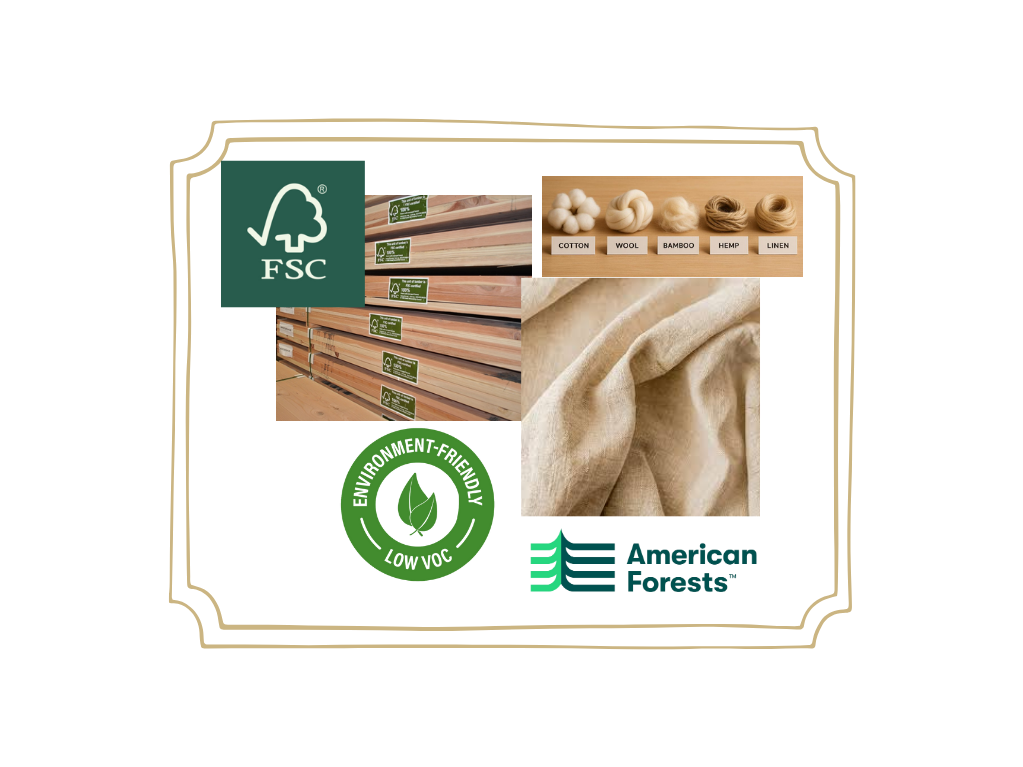
FSC-certified hardwoods sourced from responsibly managed forests
Solid wood construction over veneers or composite materials for greater durability
Upholstery & Fill
Natural fibers such as linen, wool, organic cotton and recycled materials
Low-VOC or water-based finishes to reduce indoor air pollutants
Construction Details
Bench-made craftsmanship rather than mass production
Repairable elements like replaceable cushions, slipcovers, and sturdy frames
Designer tip: These material choices don’t just support sustainability—they enhance comfort, develop a richer patina over time, and allow furniture to age gracefully rather than wear out!
Thinking Long-Term: Value, Lifecycle, and Resale
Sustainable furniture encourages a shift in perspective—from upfront price to long-term value. The most responsible pieces are those designed to last, evolve, and remain relevant well beyond their first placement in a home.
When evaluating furniture through a sustainability lens, consider:
Durability and longevity — how long a piece is realistically built to last
Repairability — the ability to refinish, reupholster, or replace components rather than discard
Lifecycle beyond the first owner — what happens to a piece when it’s no longer needed
Well-made furniture often carries another important benefit: resale value. Pieces crafted with quality materials and timeless design tend to perform well on the secondary market, supporting a more circular approach to consumption. This creates both emotional and financial sustainability—fewer replacements, fewer regrets, and furniture that continues to hold value over time.
Featured Vendors We Trust & Use Continuously
Lee Industries
Lee Industries has long been a trusted name in American-made upholstery, with a sustainability approach rooted in quality and transparency rather than trends. Since 1969, the company has prioritized responsible manufacturing—adopting eco-conscious practices such as eliminating chlorofluorocarbons in foam cushions and implementing waste-reduction programs well before they became industry standards. Domestic production allows Lee to maintain oversight of labor practices while reducing the environmental impact of overseas shipping.
In 2006, Lee introduced naturalLEE, an upholstery initiative featuring soy-based cushioning, recycled fiber fills, organic fabrics, and springs made with recycled metal—now standard across all Lee products. Paired with sustainably sourced hardwood frames and low-VOC finishes, their furniture is designed for comfort, longevity, and repairability, allowing pieces to be reupholstered and refreshed rather than replaced.
At Tammara Stroud Design, we value Lee Industries for their timeless silhouettes, customizable options, and bench-made craftsmanship—furniture that supports sustainability through durability and enduring design.
For more detailed information about Lee Industries, check out their Sustainability Questions page.
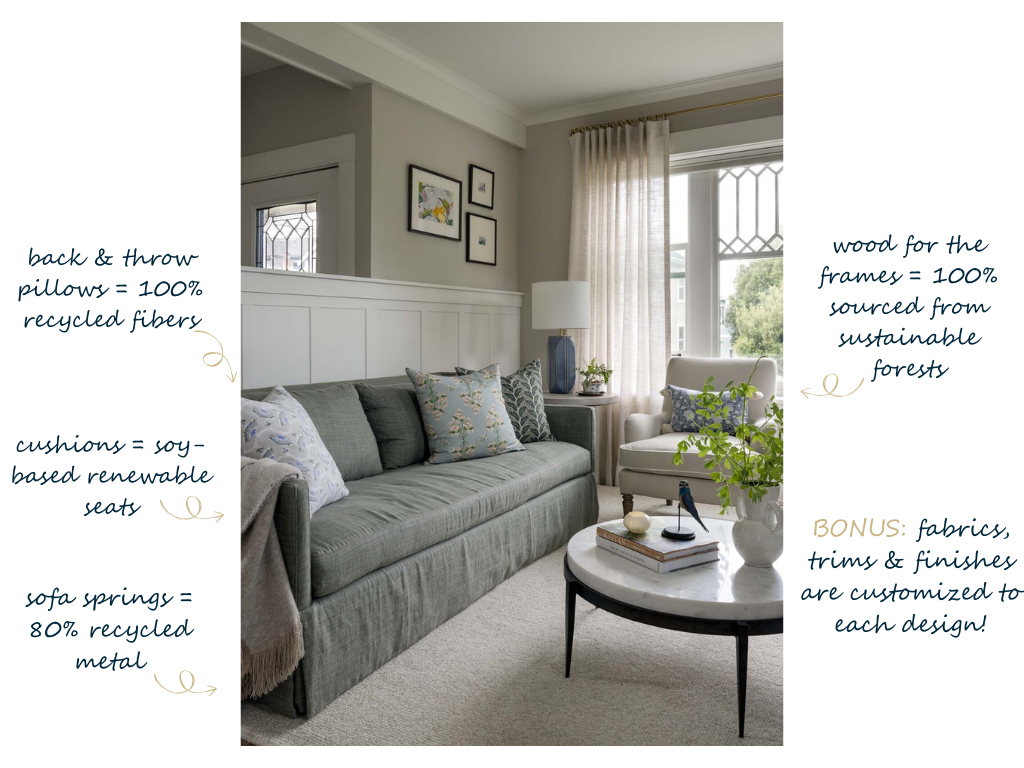
Tammara Stroud Design’s Queen Anne Residence featuring naturalLEE furnishings by Lee Industries
Ethnicraft
Ethnicraft’s sustainability philosophy is grounded in material honesty, durability, and responsible sourcing. Solid wood sits at the core of the brand, chosen for its natural beauty and ability to be repaired, refinished, and age gracefully. Ethnicraft sources wood from responsibly managed forests, favoring locally sourced timber and offering FSC®-certified teak.
The brand extends this commitment through energy-conscious production, including facilities powered by green and solar energy, and rigorous product testing that meets or exceeds international durability and safety standards. Built for longevity rather than replacement, Ethnicraft furniture reflects a thoughtful approach to sustainability rooted in quality and timeless design.
At Tammara Stroud Design, we value Ethnicraft for their stunning solid wood craftsmanship, responsible production, and timeless aesthetic—pieces designed to last for generations.
For learn more about Ethnicraft, read the company’s sustainability commitment.
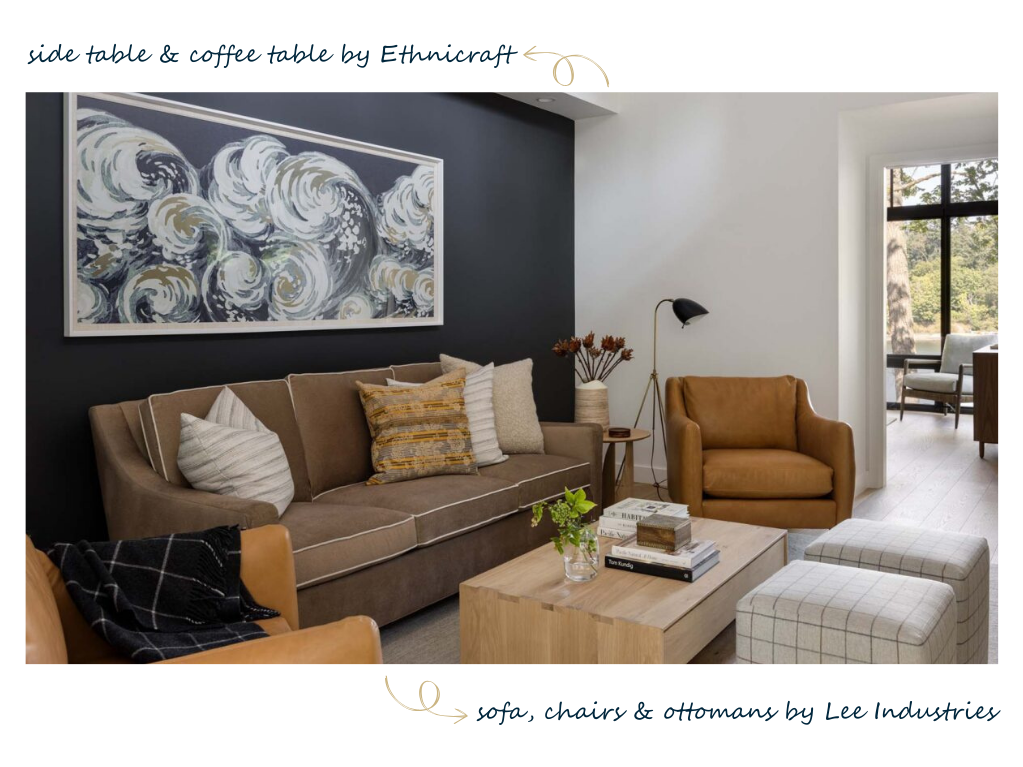
Our trusted, sustainable vendors featured in our Country Club Residence design
How TSD Approaches Sustainable Furniture Selection
At Tammara Stroud Design, sustainability is a part of our sourcing process from the start. We seek out furniture that balances beauty, function, and responsibility—pieces that support our clients’ lifestyles while standing the test of time. When we recommend investment pieces, it’s with the intention that they can evolve with a home, be repaired or refreshed rather than replaced, and remain meaningful for years to come!
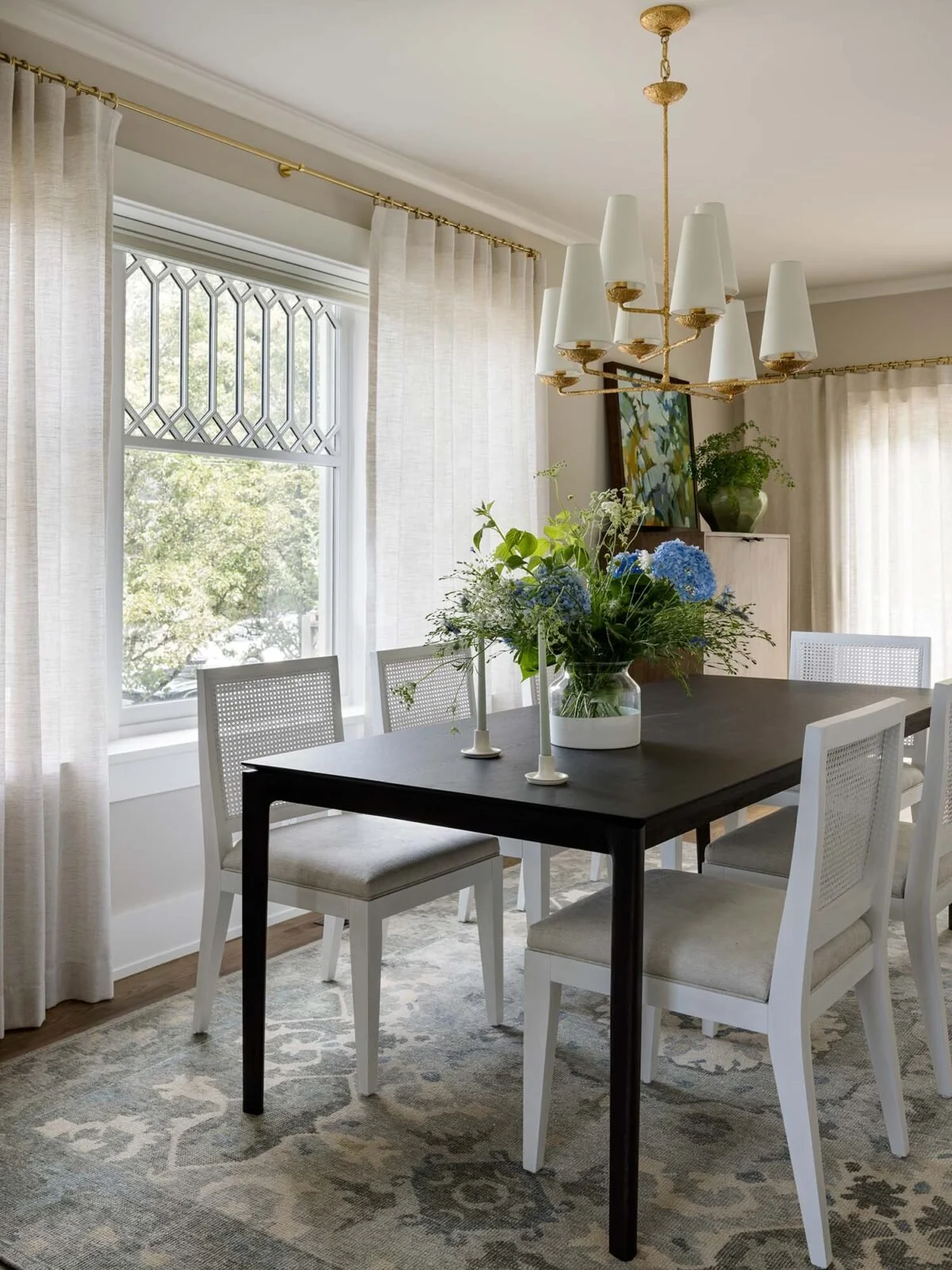
To see more projects featuring our sustainable partners visit tammarastroud.com
To learn more about sustainability in the furniture industry, check out the Sustainable Furnishings Council